Natural Resource Audits
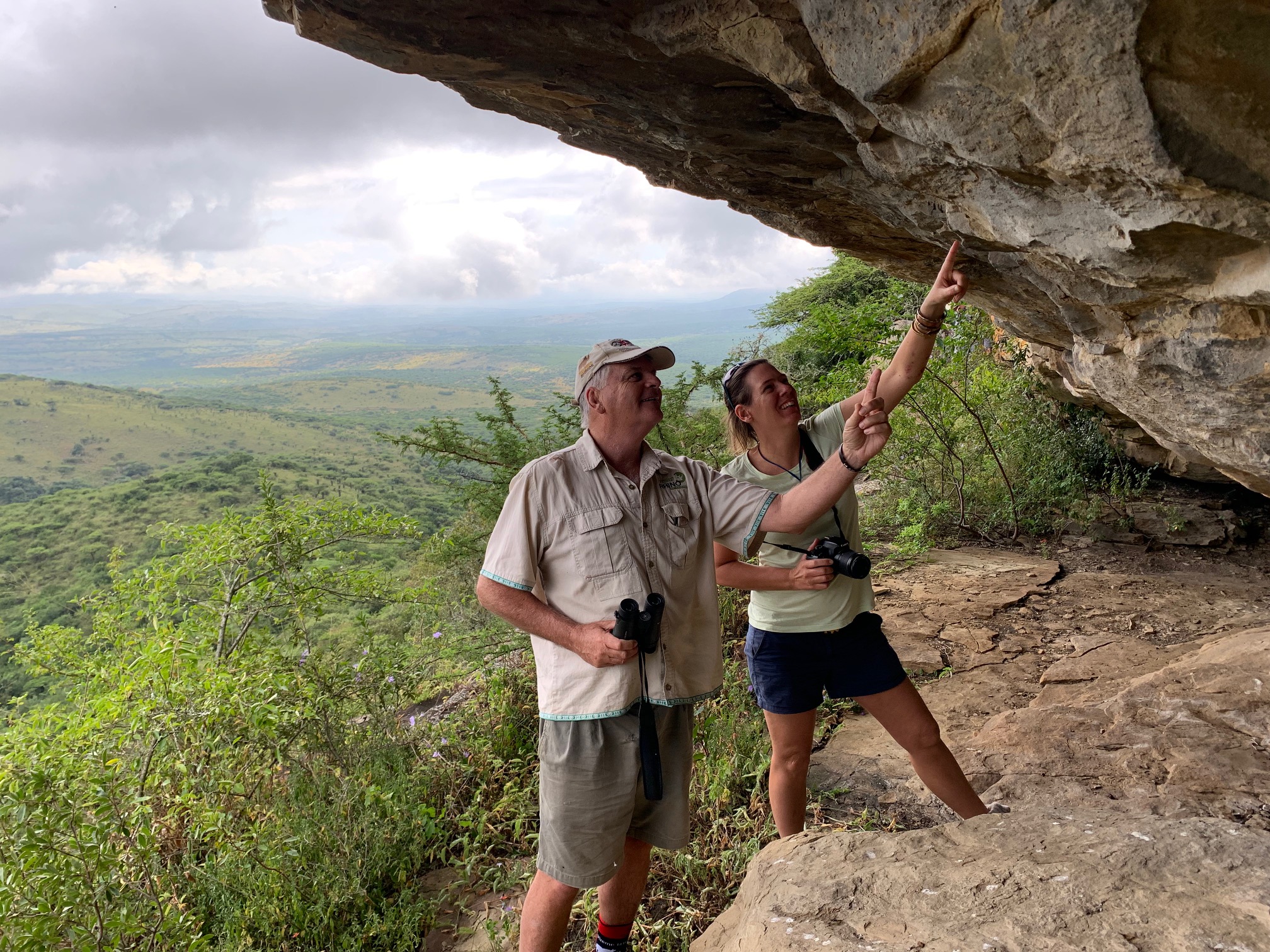
By starting with a rigorous, landscape-level understanding, we ensure that every decision that follows is grounded in sustainability, resilience, and long-term impact. This is where science meets strategy.
- Water availability and watershed dynamics
- Soil quality and land condition
- Topography and ecological sensitivity
- Strategies for human-wildlife coexistence
The findings from this phase directly inform future communal and formal land-use planning.
Communal Planning
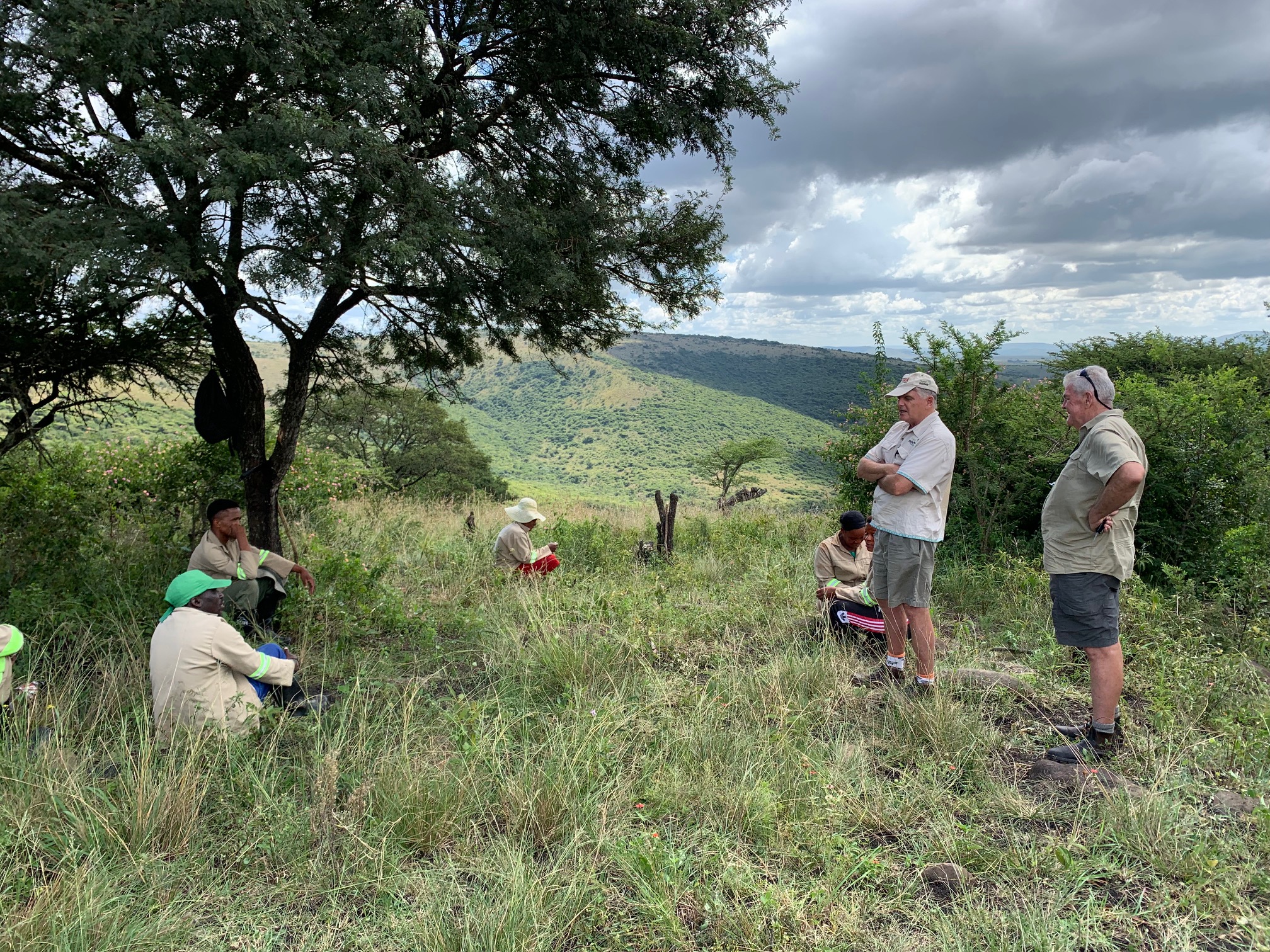
Step 2 isn’t about speed, it’s about depth, trust, and dialogue. CCP is the art of patient, attentive conversation. Of listening before leading. Of creating space for communities to openly explore what sustainable land use truly looks like.
Through workshops and collaborative idea-sharing, we answer a critical question: How can communities generate sustainable livelihoods without compromising their natural biodiversity?
Alignment is built, ownership is created, and long-term success is seeded. It becomes the foundation for the formal master land use plan.
Mapping & Zoning
A conservancy becomes truly investable when there is a clear, professionally designed plan guiding land use and development. A multidisciplinary team develops a zoned land use map (Spatial Development Framework).
- Defined land use zones (conservation, tourism, agriculture)
- Required infrastructure (roads, water, energy, waste)
- Environmental and social safeguards
This framework becomes the long-term blueprint—a transparent decision-making tool that guides communities, partners, and unlocks investment.
Legal SPV Governance
Structuring legal entities is the foundation of trust and accountability. The zoned land use plan must be owned and managed by a dedicated Special Purpose Vehicle (SPV).
This entity brings together representatives from local communities, government bodies, NGOs, and investors, acting collectively to ensure balanced decision-making.
Effective governance attracts investment. The SPV is a critical pillar for the long-term sustainability and credibility of the model.
Destination Marketing
Destination marketing positions the conservancy as a structured, transparent, and compelling investment. Land leases and concessionary development rights are marketed to social impact investors, carbon project developers, and purpose-driven businesses.
Long-term land leases generate sustainable income streams that flow directly back to communities.
The conservancy evolves into a recognised destination. Lease revenues fund education, skills, and enterprise growth.
Impact Investment
The NPCC attracts investors aligned with conservation and community outcomes. This requires consistent global market engagement, strong storytelling, transparent governance, and high-quality concession management.
Protecting biodiversity and empowering communities is not a trade-off, but a long-term value strategy.
A steady pipeline of aligned investment creates resilient local economies and scalable conservation impact.
Rewilding Restoration
Often vast areas surrounding parks have been stripped of biodiversity. Rewilding cannot come first—it must follow meaningful progress in community development, ensuring that viable livelihoods are in place.
Restored landscapes generate value through carbon investment, sustainable game farming, and eco-tourism.
Degraded land turns into thriving ecosystems and local communities into custodians of natural capital.
Ongoing Management
The final step is where long-term impact becomes a permanent legacy. The SPV acts as a dedicated development agency supporting communities to build resilient, self-sustaining conservation economies.
Conservation and economic development work hand in hand, creating a truly nature-balanced land use model.
By Year 10, every NPCC should be 100% financially self-sufficient through diversified revenue streams.